Physical Address
304 North Cardinal St.
Dorchester Center, MA 02124
Physical Address
304 North Cardinal St.
Dorchester Center, MA 02124

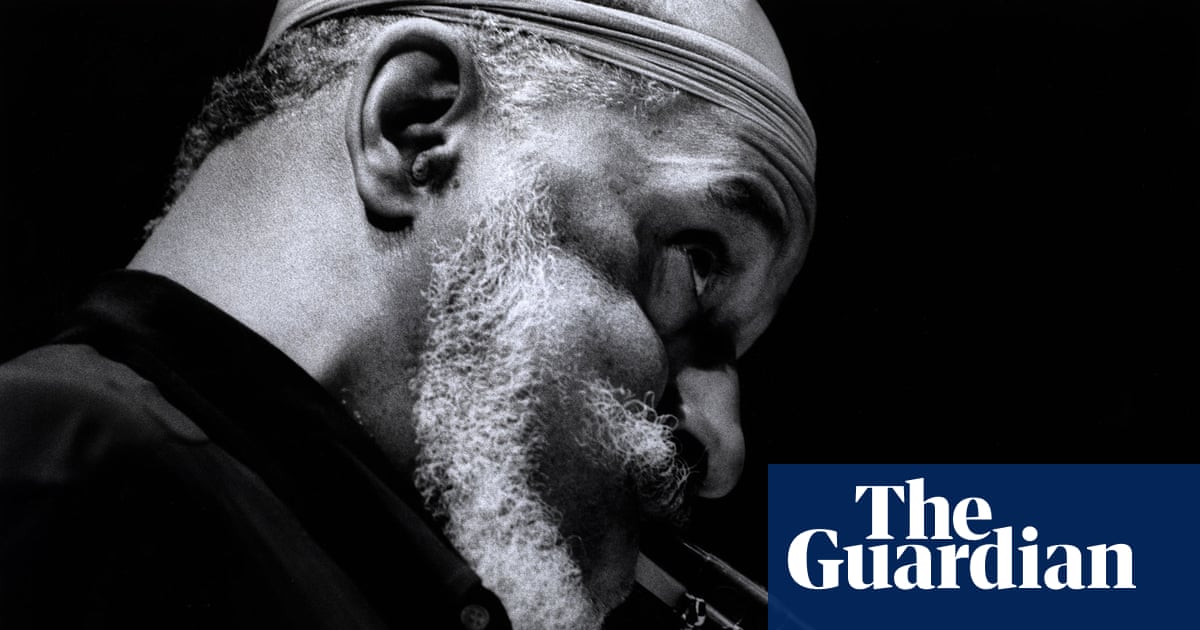
Sonny Rollins, the saxophone colossus who helped invent modern jazz alongside Davis, Coltrane and Monk, died Monday at his Woodstock, NY home at the age of 95.
Sonny Rollins, the saxophone colossus who helped invent modern jazz alongside Davis, Coltrane and Monk, died Monday at his Woodstock, NY home at the age of 95.
Sonny Rollins, the tenor saxophonist whose seven decades at the front of jazz earned him the nickname the Saxophone Colossus and a peer position alongside Miles Davis, John Coltrane, and Thelonious Monk, died Monday afternoon at his home in Woodstock, New York. He was 95.
His death was announced on his website and confirmed by his publicist Terri Hinte. No cause was given. The Guardian’s obituary tracing Rollins’s seven-decade career from Harlem to the Williamsburg Bridge and beyond notes that his publicist’s statement called him one of the most honored and influential figures in American music.
Rollins released more than 60 albums as a bandleader, beginning in the late 1940s. The 1956 album Saxophone Colossus, featuring the calypso signature St. Thomas, became one of the defining records of post-bebop jazz. A year later he made Way Out West, a piano-free trio session built around cowboy songs that became its own genre statement.
He played with everybody. The 1956 album Tenor Madness paired him with Coltrane on the title track, the only studio meeting between the two. Davis once described him as a legend, almost a god to a lot of the younger musicians.
The career was not a linear ascent. Rollins struggled with heroin addiction through his early twenties and was jailed for ten months on Rikers Island after an armed robbery in 1950. He kicked the habit in a federal rehab program in late 1954, and what followed was one of the most concentrated bursts of creative output in the music’s history.
The 1958 record Freedom Suite, the title track running 20 minutes, predated the broader civil rights jazz movement and made Rollins one of its earliest musical voices. Variety’s obituary tracking Rollins’s compositional contributions, including the standards he wrote, names Airegin, Doxy, Oleo, and St. Thomas as his most-recorded originals.
The mid-career sabbatical became its own legend. Beginning in 1959, Rollins withdrew from public performance and spent two years practicing alone at night on the Williamsburg Bridge in New York, seeking a new direction. He returned in 1962 with the album The Bridge, which became a cultural event in its own right.
His public stature only grew. Rollins received Kennedy Center Honors, a Grammy Lifetime Achievement Award, and the National Medal of the Arts, which Barack Obama presented him in 2011. Obama said at the ceremony that Rollins had inspired him to take risks that he might not otherwise have taken.
NPR’s tribute to Rollins as the last man standing of the bebop generation captured his approach to playing in his own words. “Sometimes I’m surprised by what comes out,” he told the network, describing his habit of going onstage with no plan beyond knowing a song’s structure.
Rollins lived six blocks from the World Trade Center on September 11, 2001. He and his wife fled upstate, carrying only his saxophone. The lesson, he later told the Guardian, was that possessions are not where it’s at.
The cultural reach extended beyond jazz. Rollins composed the theme for the 1966 film Alfie, sat in with the Rolling Stones, and recorded versions of Stevie Wonder and other pop material throughout his career. He ran his own label, Doxy Records, in his later years, distributed through Sony Masterworks.
Respiratory illness forced his retirement from performing in 2014. He continued to give occasional interviews and remained a public presence through the end. The BBC’s obituary noting calls to rename the Williamsburg Bridge in his honor captures the symbolic place he occupied in New York’s cultural memory.
He was born Theodore Walter Rollins on September 7, 1930, in New York City. He is survived by a discography that defined a half-century of his instrument.
The statement on his website closed with a quote from Rollins himself. “I think when the creative person ends, he continues in the next existence.”