Physical Address
304 North Cardinal St.
Dorchester Center, MA 02124
Physical Address
304 North Cardinal St.
Dorchester Center, MA 02124

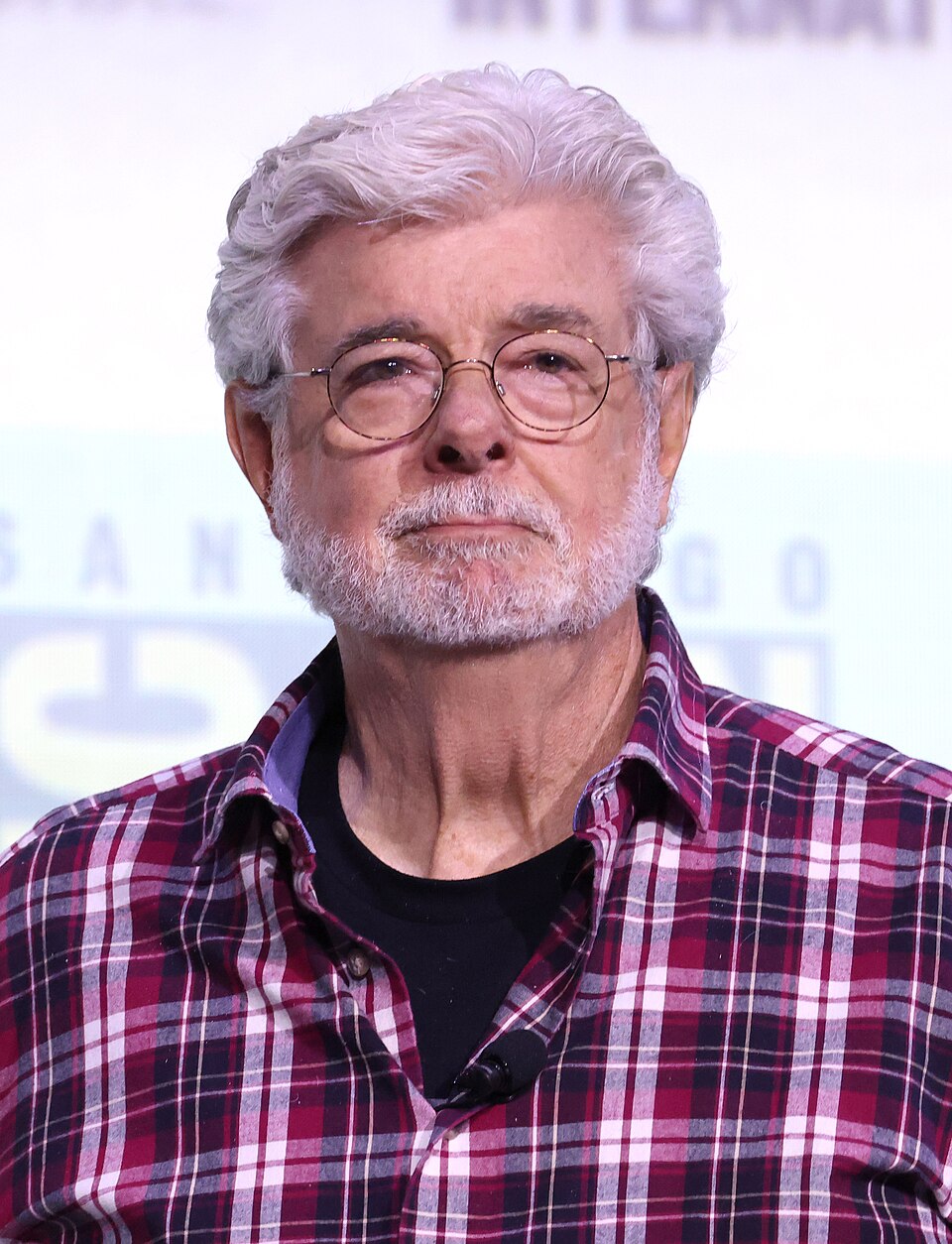
Marcia Lucas, the Oscar-winning editor of Star Wars and Taxi Driver, died Wednesday at 80, ending a 1970s career that shaped New Hollywood's biggest films.
Marcia Lucas, the Oscar-winning editor of Star Wars and Taxi Driver, died Wednesday at 80, ending a 1970s career that shaped New Hollywood’s biggest films.
Marcia Lucas, the Academy Award-winning film editor whose work on the original Star Wars and a string of Martin Scorsese films defined the 1970s New Hollywood sound, died Wednesday at 80. Her death was reported by the San Francisco Chronicle and confirmed in a Wikipedia update marking her May 27 passing.
The Threads roll-up carried the basics. The Chronicle’s obituary thread identifying Lucas as the Oscar-winning Star Wars editor and longtime San Francisco resident notes she was a Bay Area fixture for decades after the run of films that made her name.
The career résumé is among the most consequential of its era. Wikipedia’s biography of Lucas’s editing credits, her 1978 Oscar for Star Wars, and her career-spanning collaborations with Scorsese documents her work cutting Star Wars (1977), Return of the Jedi (1983), THX 1138 (1971), and American Graffiti (1973) for then-husband George Lucas, alongside Alice Doesn’t Live Here Anymore (1974), Taxi Driver (1976), and New York, New York (1977) for Martin Scorsese.
The Star Wars Oscar was the centerpiece. Lucas shared the 1978 Academy Award for Best Film Editing for the original film, with the project widely credited inside the production as having been substantially rescued in the cutting room.
Her earlier nominations underscored the pattern. She was nominated for an Academy Award for editing American Graffiti and earned a BAFTA nomination for her work on Taxi Driver, with both films sitting alongside her Star Wars win at the top of any 1970s editing canon.
Her path into the industry was unusual for the era. Born Marcia Lou Griffin in Modesto, California, on October 4, 1945, she entered film editing in 1964 after a Hollywood museum needed someone to catalog donated memorabilia, eventually progressing into a Motion Picture Editors Guild apprenticeship that ran eight years.
Editor Verna Fields made the introduction that shaped the rest. Fields, one of the few prominent female editors of the late 1960s, hired Lucas to assist on a 1968 USIA documentary about Lyndon B. Johnson’s Asia trip, with USC student George Lucas also brought in as an assistant editor on the same project.
The two married in 1969. The couple’s collaboration tracked across George Lucas’s early features, with Marcia editing or co-editing every one of his pictures through Return of the Jedi.
The Scorsese partnership ran parallel. Wikipedia’s profile of George Lucas’s career trajectory and his American Zoetrope collaborations with Francis Ford Coppola notes that the Modesto-born director and Marcia worked alongside both Coppola and Scorsese during the late-1960s and 1970s independent-filmmaker movement that birthed New Hollywood.
Her own framing of those years was unsentimental. Speaking later about THX 1138’s commercial failure, Lucas recalled, “I never cared for THX because it left me cold,” adding that her then-husband had told her she “was stupid and knew nothing” because she was “just a Valley Girl.”
The 1990s brought a different chapter. After taking a career gap while raising her family, Marcia Lucas produced two films during the decade before stepping back from the industry.
The marriage ended decades before her death. Her San Francisco residency continued into the years after the split, with the city becoming her base for the long stretch following the heyday of New Hollywood editing she helped define.
The Star Wars credit is the one she will be remembered for. The 1977 film whose cutting room she helped run is now the foundational text of one of cinema’s largest franchises, and the editor who shaped it goes into history alongside it.
For Marcia Lucas, the Oscar on the mantle made the case. The trophy that for decades sat with one of New Hollywood’s least-celebrated essential figures is now the artifact her name will be attached to for as long as the films she cut keep playing.