Physical Address
304 North Cardinal St.
Dorchester Center, MA 02124
Physical Address
304 North Cardinal St.
Dorchester Center, MA 02124
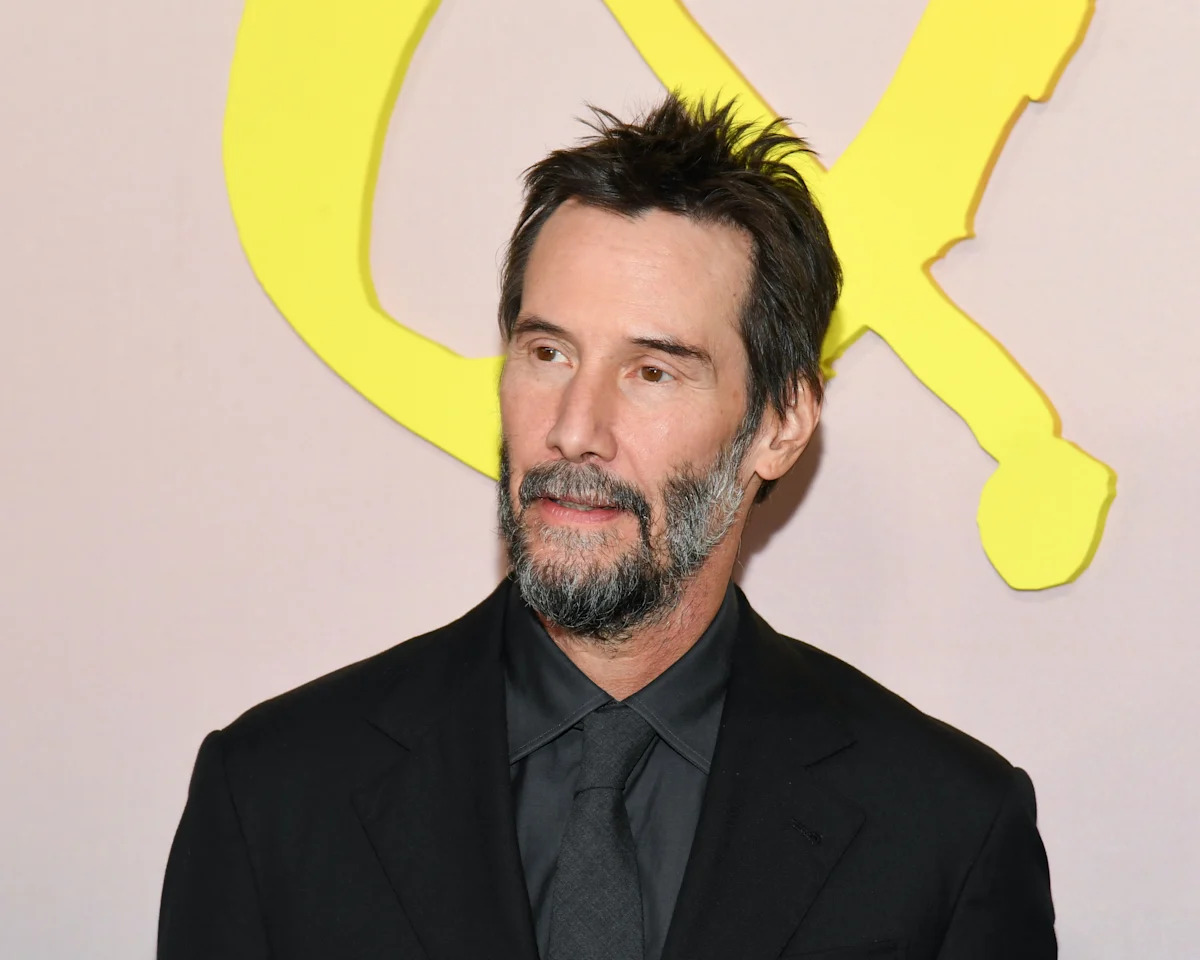
Keanu Reeves asked a federal judge for leniency in the sentencing of 47 Ronin director Carl Rinsch, convicted of defrauding Netflix out of $11 million.
Keanu Reeves asked a federal judge for leniency in the sentencing of 47 Ronin director Carl Rinsch, convicted of defrauding Netflix out of $11 million.
Keanu Reeves is asking a federal judge to go easy on the director who scammed Netflix. The John Wick star submitted a two-page letter ahead of Carl Rinsch‘s June 29 sentencing in New York, asking that the punishment be tempered with “measures of leniency and mercy as well as justice.”
Deadline broke the letter. The trade’s exclusive on Reeves’s May 1 letter and the redaction-heavy 91-page defense sentencing submission reports that Rinsch’s legal team filed the actor’s note this week as part of its push to avoid a prison term. Rinsch, the director of the 2013 Reeves vehicle 47 Ronin, faces a decade or more behind bars under federal sentencing guidelines.
Reeves offered a diagnosis without claiming credentials. “I am, of course, not a therapist or psychologist,” he wrote. “I write instead as an artistic peer of Carl’s, and as a friend.”
His central theory was the self-sabotage line. “In my opinion, Carl can self-sabotage by amplifying the scale, scope and landscape of what had been negotiated, accordingly placing himself and his counterparties at odds,” Reeves wrote, before clarifying that his letter was “not an excuse or diminishment” of the findings.
The lines that followed in his letter were redacted. So were entire pages of the broader defense sentencing submission, signaling that the team plans to lean on Rinsch’s mental-health framing at the June 29 hearing before Judge Jed Rakoff.
The underlying fraud was on a Hollywood scale. Rinsch burned through $44 million of Netflix money in the years after signing his big-budget deal in 2018, then demanded another $11 million in 2020 for what he described as remaining pre- and post-production needs on the android drama White Horse/Conquest.
Netflix pulled the plug a year later. The streamer wrote off more than $55 million in costs in 2021 and prevailed in arbitration in 2024, with Rinsch’s criminal trial wrapping last December in a guilty verdict reached in a matter of hours.
Reeves himself was not just a passing acquaintance. He funded some of Rinsch’s earliest White Horse/Conquest development before then-Netflix executive Cindy Holland signed the relatively untested filmmaker to a streaming deal in 2018.
NewsBreak’s round-up of the leniency letter coverage and the broader Rinsch fraud timeline notes that the actor called Rinsch “an exceptional artist” in his letter to Rakoff. The framing leans heavily on the artist-friend register rather than offering any defense of the underlying conduct.
Reeves’s own attorney went on the record. Matthew Rosengart told Deadline that the actor “was not involved in the underlying trial and did not testify but, as his letter reflects, was pleased simply as a friend and artist to offer his support to Mr. Rinsch in connection with his forthcoming sentencing.”
The defense brief lays out the legal ask plainly. Attorneys Daniel A. McGuinness and Ben Zeman argue that a “non-incarceratory sentence would be sufficient but not greater than necessary to achieve the ends of justice” given Rinsch’s first-offense status and what they call his tattered career.
The defense team also acknowledged the restitution owed. IMDB’s aggregation of trade coverage around the leniency push and the June 29 sentencing date tracks the public reaction to Reeves stepping in for a friend whose guilty verdict came in under four hours of jury deliberation last December.
The sentencing lands at the end of June. Reeves’s letter sits inside a 91-page submission that the defense has redacted heavily, leaving the public version of his self-sabotage argument as one of the few unredacted lines in the document.