Physical Address
304 North Cardinal St.
Dorchester Center, MA 02124
Physical Address
304 North Cardinal St.
Dorchester Center, MA 02124

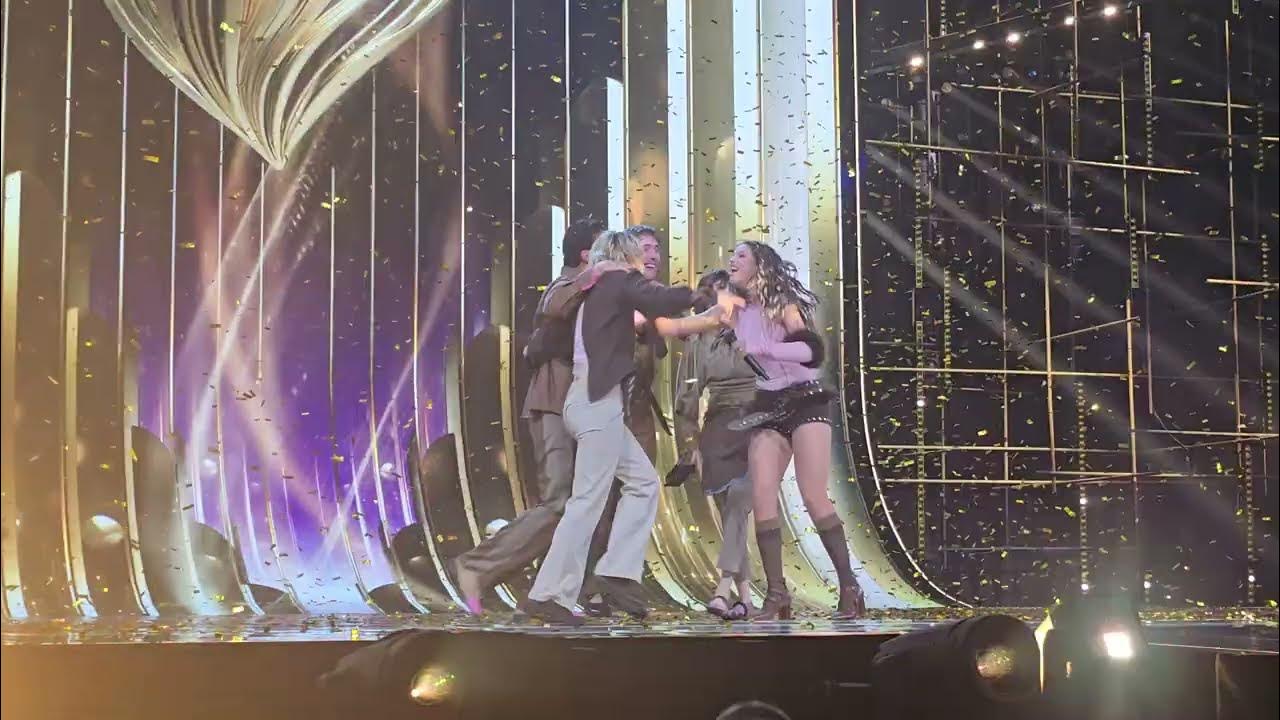
Bulgaria's Dara claimed the Eurovision 2026 title with 'Bangaranga,' scoring 516 points in a dramatic televote comeback at the contest's landmark 70th edition.
Bulgaria’s Dara claimed the Eurovision 2026 title with “Bangaranga,” scoring 516 points in a dramatic televote comeback at the contest’s landmark 70th edition.
When jury voting closed Saturday night, Australia and Malta were sitting at the top of the leaderboard, looking every bit like the favorites they’d spent the week being treated as. Then the public vote came in, and the entire scoreboard reshuffled in Bulgaria’s favor.
Bulgaria is the Eurovision 2026 champion. Dara‘s infectious entry “Bangaranga” powered past the competition with 516 points, delivering the first Eurovision crown in Bulgarian history at the competition’s 70th edition. It is the kind of result that keeps casual viewers up past midnight and reminds the hardcore faithful why they schedule their weekends around this broadcast every year.
The win was not a complete shock to those watching the semifinal rounds closely. Dara had already proven she could hold a crowd, with her semifinal performance drawing one of the loudest arena reactions of the week. The song itself, a propulsive, melody-first track built around a hook that lodges itself in the brain after a single listen, had been climbing fan prediction markets steadily in the days before the final.
What Dara and Bulgaria had going for them was the televote, which has an established habit of routing around whatever the industry juries prefer. Jury panels across Europe skewed toward other entries. The public across dozens of countries saw it differently, and the gap in the final standings reflected just how differently. A 516-point total is not a squeaker. It is a statement.
The moment Dara was announced as the winner of the 70th Eurovision Song Contest sent the Bulgarian delegation into pandemonium visible from the broadcast cameras. Within the first hour, clips of the announcement were circulating across every platform at a speed that would have made the founders of the competition, who launched Eurovision in 1956 as a postwar experiment in cultural diplomacy, genuinely baffled.
The 70th edition carried extra symbolic weight before a single note was performed. Seven decades of Eurovision is a peculiar milestone for a contest that started with seven countries and a single broadcast, and now reaches hundreds of millions of viewers across the globe. That the anniversary year produced an underdog story as clean as this one feels almost scripted. It was not. Dara earned it, vote by vote.
For the artist, the aftermath begins immediately. “Bangaranga” is now officially part of Eurovision’s winner catalog, the very short list of songs that every retrospective, anniversary special, and greatest-hits broadcast will pull from for the foreseeable future. The commercial window for a Eurovision winner is narrow and burns bright, and how Dara moves over the next several months will determine how much of that momentum translates into a sustained career outside the bubble.
Bulgaria, meanwhile, inherits the considerable responsibility of hosting Eurovision 2027, along with a national sense of pride that tends to generate the kind of enthusiasm that produces genuinely memorable shows. Fan communities were already debating potential venues and staging concepts before the winner confetti had finished falling.
Dara gets a year to enjoy being the reigning champion. Bulgaria gets a year to plan a party for all of Europe. Both have earned it.