Physical Address
304 North Cardinal St.
Dorchester Center, MA 02124
Physical Address
304 North Cardinal St.
Dorchester Center, MA 02124
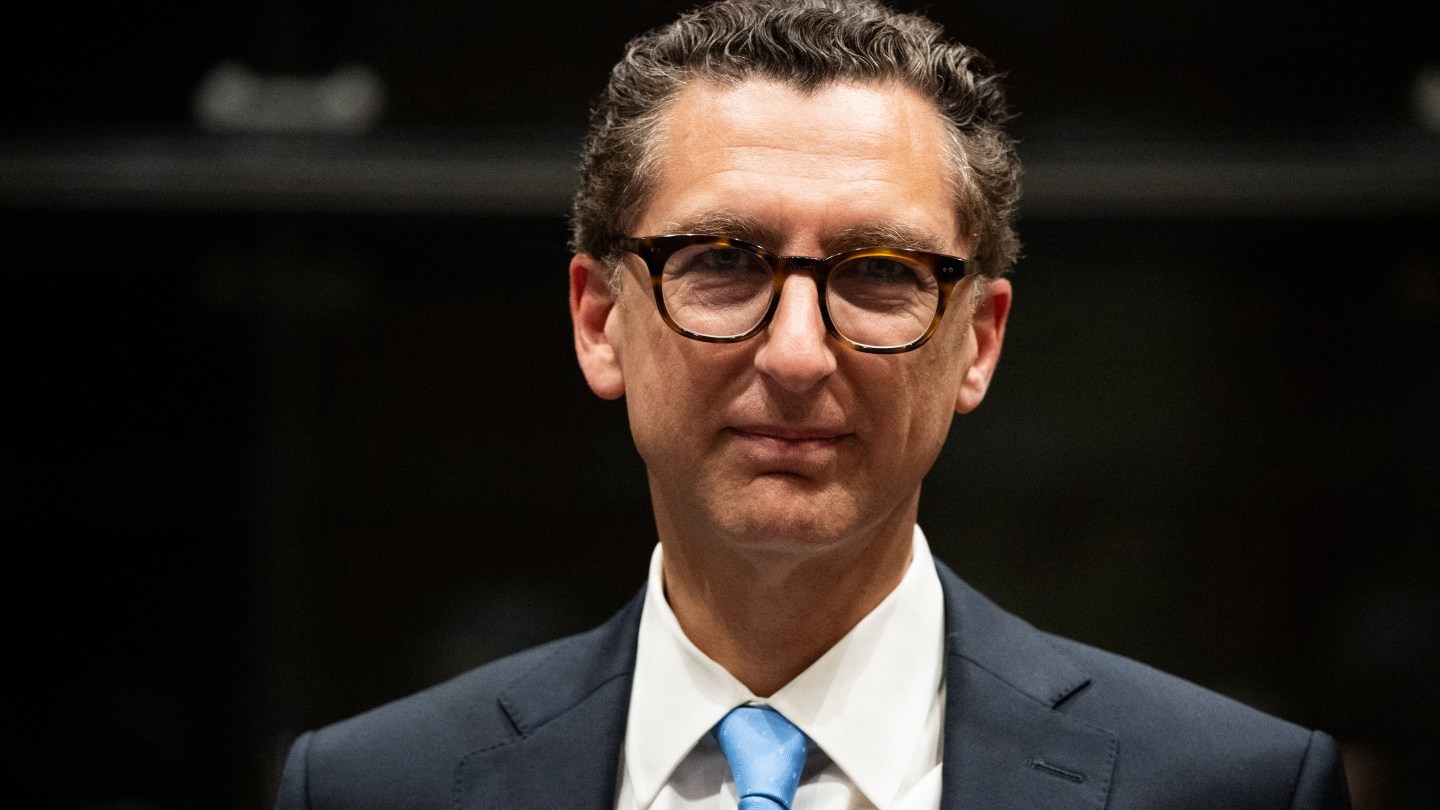
Canal+'s CEO has threatened to blacklist over 600 French film professionals, including Juliette Binoche, who signed a petition opposing billionaire owner Vincent Bolloré.
Canal+’s CEO has threatened to cut off more than 600 French film professionals who signed an open letter opposing the growing influence of the studio’s right-wing billionaire owner Vincent Bolloré, a move that is already sending shockwaves through the French industry.
The head of Canal+, France’s largest film producer, has drawn a line in the sand: sign the petition against the studio’s owner, lose your working relationship with the company. The threat came in direct response to an open letter signed by more than 600 French cinema professionals expressing alarm over Vincent Bolloré‘s expanding grip on the French film industry and his right-wing political alignment.
The signatories include some of the most prominent names in French and international cinema. Juliette Binoche, Adèle Haenel, and Swann Arlaud are among the actors who put their names to the letter. Directors Sepideh Farsi and Arthur Harari also signed. The breadth of the list, covering established names as well as emerging talent, signals that concern about Bolloré’s influence has spread well beyond a small circle of activists.
The open letter warned that leaving French cinema in the hands of a far-right owner risked fundamentally altering the character of one of Europe’s most distinctive national film cultures. Canal+ is not merely a broadcaster. It is one of the primary financiers of French film production, and its decisions about which projects to back and which talent to hire carry enormous weight throughout the industry.
The CEO’s blacklist threat escalates what had been a tension simmering for some time into a direct confrontation. Bolloré, who controls a media empire that includes news channels already accused of editorial drift toward far-right positions, has been accumulating influence in the French film sector in ways that critics say have no clear precedent. The petition was framed not as opposition to any single editorial decision but as a warning about structural control.
The response from Canal+’s leadership reframes the confrontation as a commercial one. Studio executives who sign political petitions critical of their employer’s ownership structure typically do not announce consequences publicly. Doing so on this scale and in this form is unusual and, for many in the French industry, alarming.
For the signatories, the calculation now involves weighing their public stance against a potential severance from Canal+’s production pipeline. For less established filmmakers and actors who depend on Canal+ financing, that is not an abstract threat. The studio’s reach into French production is deep enough that a blacklist, if enforced, would meaningfully alter the career prospects of the people involved.
The story is unfolding against the backdrop of the Cannes Film Festival, where French industry politics tend to get amplified by the concentration of press and industry figures in one place. Whether the signatories respond publicly to the blacklist threat, and how the broader industry reacts, will likely become one of the dominant conversations of this year’s festival.