Physical Address
304 North Cardinal St.
Dorchester Center, MA 02124
Physical Address
304 North Cardinal St.
Dorchester Center, MA 02124

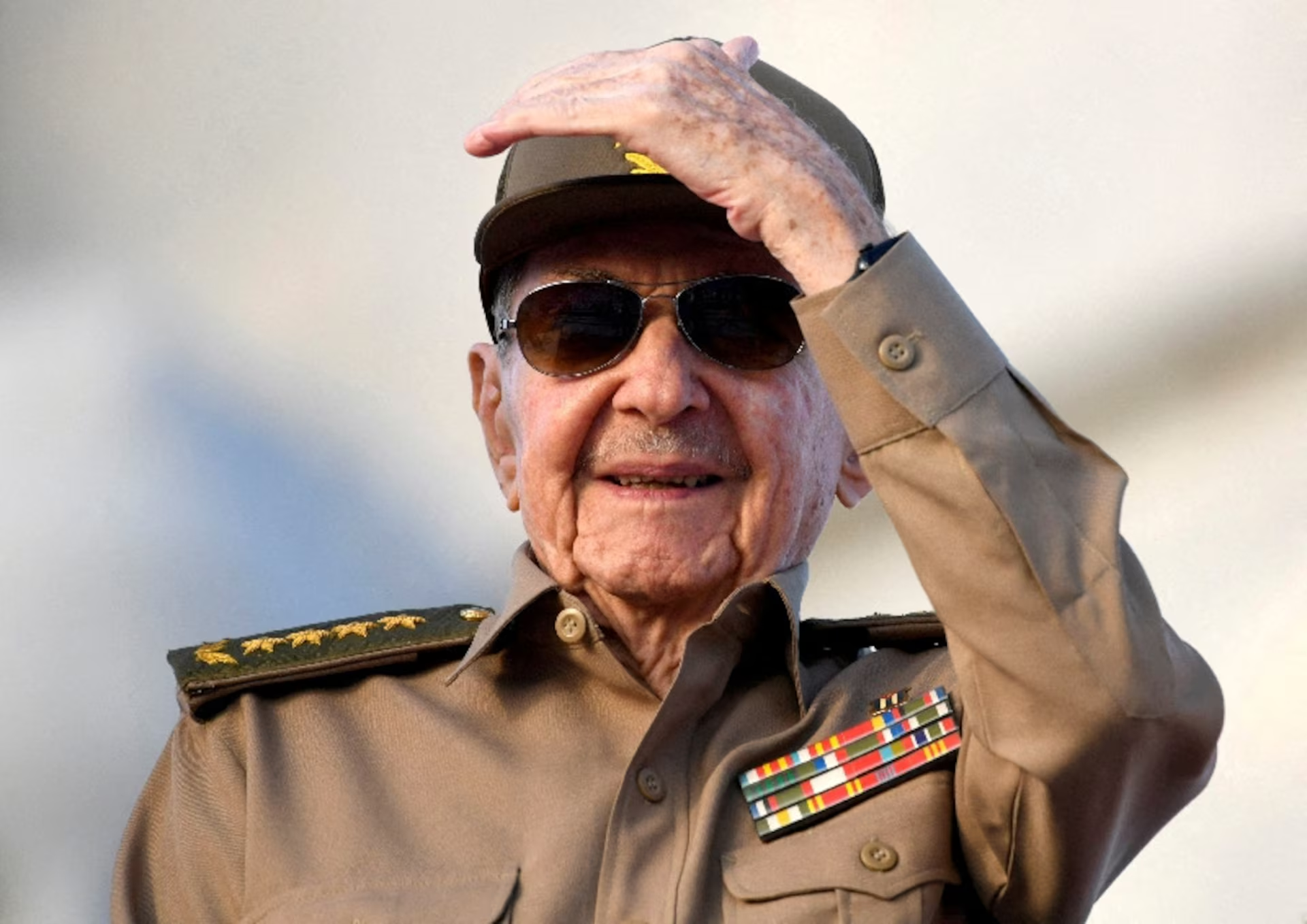
The United States is preparing to bring criminal charges against former Cuban president Raúl Castro in connection with the 1996 downing of two civilian planes that killed four people, according to officials familiar with the case.
The potential indictment, first reported by CBS News and later confirmed by multiple outlets, would still need to be approved by a grand jury before any charges are formally filed. Castro, now 94, is the younger brother of the late Fidel Castro and ran Cuba’s armed forces at the time of the incident.
The case centers on a long-standing dispute that has poisoned US-Cuba relations for three decades. On February 24, 1996, two small Cessna planes operated by the Miami-based exile group Brothers to the Rescue were patrolling the Florida Straits when they were shot down by a Cuban MiG fighter jet. The group had been flying missions for years looking for Cuban rafters trying to make it to American shores.
Four people died in the attack. Cuban officials at the time claimed the planes had crossed into Cuban airspace, but a later report from the Organization of American States found that the planes were over international waters when they were destroyed, and that Cuba had given no warning before opening fire.
Raúl Castro was serving as defense minister and overseeing the Cuban military when the shootdown happened. US officials and lawmakers pushing for the indictment have long argued he gave the order, or at the very least signed off on it.
The push to charge Castro has been building for months. Back in February, Florida Republican Representative Mario Díaz-Balart led a group of lawmakers, including Maria Elvira Salazar, Carlos Giménez, and New York’s Nicole Malliotakis, in writing to President Trump and urging him to pursue an indictment. Their letter described Castro as responsible for the cold-blooded killings and pointed to a Time magazine interview with Fidel Castro that they argued showed Raúl’s involvement.
Florida Senator Rick Scott has joined the call, and the state’s attorney general announced in March that he was reopening a shuttered state-level investigation into the same incident. Florida Governor Ron DeSantis posted his reaction to the news on social media Thursday night, writing that it had been a long time coming.
The US Attorney’s Office for the Southern District of Florida is reportedly handling the matter. Miami’s top federal prosecutor launched a broader initiative several months ago aimed at building cases against Cuban Communist Party leadership, covering everything from economic crimes to drug trafficking and violent offenses.
Word of the potential indictment broke just hours after CIA Director John Ratcliffe wrapped up a visit to Cuba on May 14. Ratcliffe led a delegation that met with Cuban Interior Minister Lazaro Alvarez Casas, the head of Cuban intelligence, and Raúl Guillermo Rodríguez Castro, known as “Raulito,” who is the elder Castro’s grandson and widely seen as a key go-between for the two governments.
According to a CIA official, Ratcliffe personally delivered a message from President Trump making clear that Washington is willing to talk seriously about economic and security matters, but only if Cuba commits to deep changes. The official also stressed that Cuba can no longer serve as a refuge for adversaries operating in the Western Hemisphere.
The indictment plan fits into a much wider squeeze the Trump administration has been putting on Havana this year. Things shifted into a higher gear back in January, when US forces removed Venezuelan leader Nicolás Maduro from power and brought him to New York to face drug charges. Venezuela had been one of Cuba’s most important partners, and the loss has hit the island hard.
Since then, the White House has threatened heavy tariffs on any country that ships oil to Cuba, which has effectively choked off most of the fuel supply. The result has been crippling blackouts and worsening shortages across the island. Trump has also floated the idea of a “friendly takeover” of Cuba and joked at a recent event in Florida that the US would be “taking over” the country almost immediately, saying he likes to finish one job before starting another.
While Raúl Castro officially stepped down as the head of the Cuban Communist Party in 2021, he is still considered one of the most powerful people in the country. His grandson Raulito has become a familiar face in the back-channel conversations between Havana and Washington.
The 1996 case has already produced one major US conviction. Gerardo Hernandez was found guilty of murder conspiracy for his role in a spy ring that allegedly fed information about Brothers to the Rescue to Cuban intelligence. He received a life sentence but was returned to Cuba in a 2014 prisoner swap during the Obama-era thaw in relations.
Neither the Justice Department nor the Cuban Embassy in Washington has publicly commented on the latest reports. Whether the grand jury ultimately signs off on an indictment, and what Havana’s response might be, will likely shape the next chapter of an already tense relationship.